KINGSTON STUCCOREPAIR & REFINISHING (home) Call or text (845) 443-7902 Free estimate

Chimneys & foundations · Ulster County

Chimney stucco repair and foundation parging in Kingston

Above the roofline and down at the splash zone, chimneys and foundation walls soak up more water and freeze-thaw stress than any sheltered house wall.

Call or text (845) 443-7902

Book spring work now. Winter assessments and estimates available.

Updated November 2026

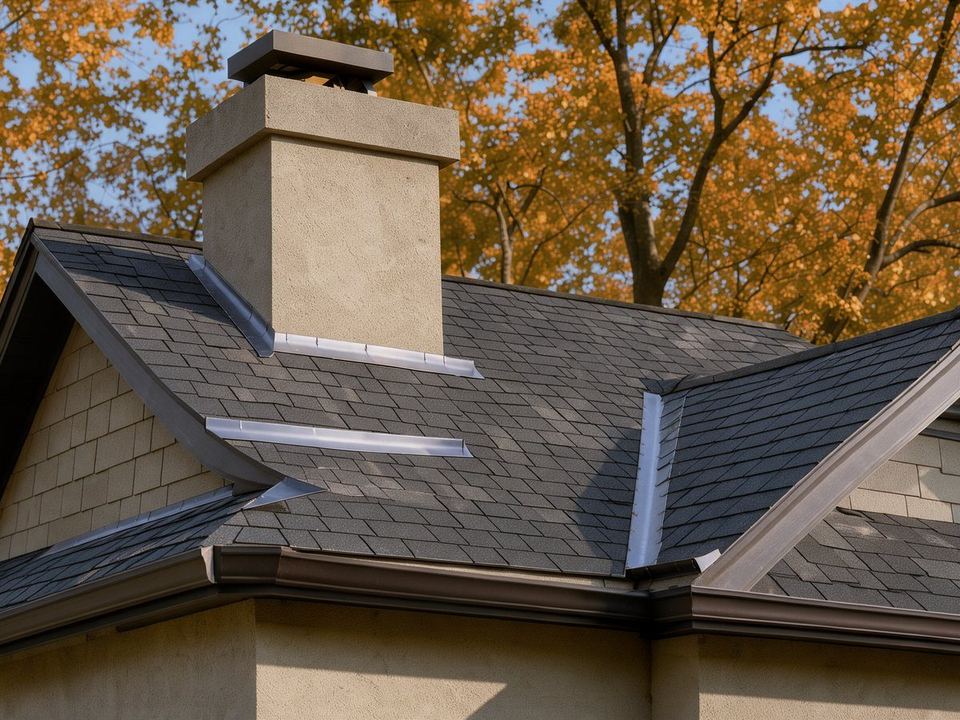
Stucco chimney stack with sloped concrete crown and metal step flashing above an asphalt-shingle roof

Short answer

Chimneys and foundation walls fail early because they stay wet from roof runoff, snowpack and splash-back. Around Kingston and Ulster County, we strip loose chimney stucco, inspect the concrete wash or crown and roof flashing, and apply new lath and stucco coats; at grade, we chip away hollow parging and re-parge concrete block or stone foundations with compatible mortar.

Key facts

Service area
Kingston and nearby Ulster County towns: Saugerties, Port Ewen, Rosendale, Hurley, Woodstock, Marbletown, Esopus and New Paltz.
Season
EIFS and stucco finishes need about 40 °F and rising, with no freezing for 24 hours. In the Hudson Valley that means spring through late fall.
Who does the work
Our own crews, from The Dom Construction Group LLC.
Insurance
General liability, umbrella and workers' compensation insurance; certificates on request.
Estimates
Free. Start with 3–5 photos by text, or use the form.
Reply
We reply within one business day, Monday to Friday.

Why stucco chimneys peel faster than house walls

House walls sit tucked beneath roof overhangs and warm up slightly from indoor heat, whereas a chimney stack stands exposed to wind-driven rain, sleet and sun on all four faces. Once water slips behind stucco near the top of a stack, overnight freezing expands that trapped moisture and pushes the cement coat outward from brick or block. Within two or three Hudson Valley winters, faint hairline cracks turn into bulging sheets that shed gravel onto asphalt shingles below.

Working safely above pitched roofs matters just as much as mortar chemistry. Our own crew sets braced supported pipe scaffolding with roof protection rather than balancing heavy mortar pans from extension ladders, renting lifts where driveway reach makes more sense.

Crowns, step flashing and roof-to-wall kick-outs

Re-stuccoing a chimney without fixing the metal and concrete details around it almost guarantees the new coat will blister again. Every chimney scope we price around Kingston, Rosendale, Woodstock and Saugerties checks three water entry points:

  • The chimney crown or wash: Thin mortar washes troweled flat to the flue tile crack quickly and let meltwater soak straight down the core of the stack. A sound top slopes cleanly away from a sleeved flue joint and overhangs the stucco face with a drip kerf so water drops clear.
  • Step and counter-flashing: Where roof slopes meet the chimney sides and cricket, metal step flashing must interleave with shingles while counter-flashing tucks into cut mortar reglets rather than relying on dried-out roof tar smeared over stucco.
  • Kick-out flashing at eave ends: Where a lower roof terminates against a taller wall beside a chimney, a formed kick-out diverter channels gutter water away from the cladding instead of letting it pour behind the lath and trigger broader cement stucco repairs.

Re-parging concrete block and stone foundations

Parging is the thin protective mortar coat troweled over exposed foundation walls between siding trim and yard grade. Across Ulster County, mid-century ranches and split-levels in Lake Katrine, Port Ewen and Esopus usually sit on hollow concrete masonry block, while older village houses in Kingston and Hurley rest on laid fieldstone or soft brick cellar walls.

When old parging sounds hollow, we chip loose sections back to clean masonry, brush out dusty joints, dampen the backup wall so it does not rob cure water from fresh mortar, and apply a scratch and float coat tailored to the substrate. Standard Type N or polymer-modified Portland parge mixes suit modern concrete block, while historic rubble-stone foundations need a softer, breathable lime-cement mix that will not trap cellar dampness; see our older house stucco repairs for more on mortar compatibility.

Grade clearance, gutters and winter road salt

Homeowners should know that exterior parging is an above-grade weather-shedding wear layer—similar to our above-grade exterior wall waterproofing—not an interior basement drain system. Parge coats hold up longest when clogged gutters and short downspout extensions stop dumping roof water against the base of the house, soil and mulch are graded to slope away, and sodium chloride de-icers along adjacent front steps or driveways are swapped for gentler traction grit. All chimney stucco and parging finishes require about 40 °F and rising with 24 frost-free hours.
Trouble spots on chimneys and parged foundations

Catching saturation points early keeps freeze-thaw damage out of structural brick and block.

Sheets of stucco bulging high on the stack

Wide vertical cracks and loose slabs near the top third of an exterior chimney.

Usually means
Meltwater entering through a cracked mortar wash or crown without a drip overhang.
What we do
Set safe scaffold, repair or overhang the top wash, re-lath the stack and apply three-coat stucco.

Damp attic framing or stained roof crickets

Leaks during wind-driven rain where roof shingles meet a stucco chimney or cheek wall.

Usually means
Tar smears used in place of proper interleaved step flashing and reglet counter-flashing.
What we do
Strip lower stucco band, install metal step, counter and kick-out flashings, then rebuild stucco.

Hollow parging popping off concrete block

Sheets of thin grey mortar separating cleanly along basement walls above the yard.

Usually means
Splash-back from overflowing gutters or dry-troweled parge mortar applied without a scratch bond.
What we do
Chip away loose parge, clean and dampen the block, and apply fresh scratch and float coats.

Powdery, sandy mortar beside steps

Parging that rubs off like wet sand along front porches, sidewalks and garage aprons.

Usually means
Winter de-icing salt migrating into saturated mortar pores and crystallizing repeatedly.
What we do
Strip salt-contaminated mortar, rinse masonry thoroughly and re-parge with a compatible mix.

How chimney stucco and parge repairs proceed

Safe access, sound masonry prep and proper curing between lifts.

  1. Scaffold setup and roof protection

    For chimneys, our crew sets braced pipe scaffold and pads roof surfaces so shingles stay undamaged.

  2. Full removal of loose mortar

    Hollow stucco or parging is chipped back to clean brick, stone or block, and crown and flashing lines are checked.

  3. Lath or dampened masonry bond

    Chimneys receive corrosion-resistant lath and trim beads; foundation masonry is cleaned and suction-balanced.

  4. Layered scratch, brown and float finish

    Mortar goes on in controlled lifts during 40 °F-and-rising weather for a dense, weather-shedding skin.

Chimney stucco and parging questions

Will re-parging the outside of my foundation stop basement water leaks?

Exterior parging protects above-grade concrete block and stone mortar joints from wind, rain and frost, and sealing open surface cracks cuts down splash-water seepage near sill plates. However, thin parge mortar is not below-grade waterproofing; groundwater rising up through a footing or pouring from unpiped downspouts requires gutter drainage extensions and proper exterior grading alongside the parge repair.

Why did all the stucco pop off one side of my chimney?

Chimneys usually fail from the top down or at the roofline rather than through the face of the wall. A cracked concrete crown without an overhanging drip edge lets snowmelt soak down inside the masonry, and missing step or counter-flashing feeds roof runoff behind the lath, where overnight freezing pries whole sheets of stucco loose.

How do your crews reach tall chimneys above steep roofs safely?

Trying to chip mortar, fasten wire lath and float three stucco coats off a roof ladder is slow and unsafe, and heavy foot traffic chews up warm asphalt shingles. Our own crew erects braced pipe scaffolding with protective roof cribbing, or utilizes a rented boom lift where yard access allows, keeping materials and tools off fragile roofing.

Why does foundation parging crumble right next to front steps and walkways?

Concrete porches and bluestone walks bounce heavy rain splash onto the bottom foot of the foundation wall, keeping that strip saturated right before winter freezes hit. Rock salt spread on icy steps makes the damage much worse because dissolved salt crystals migrate into damp mortar pores and expand repeatedly, turning hard parging sandy and crumbly by spring.

Ask for a chimney or foundation quote

Ground-level photos of the chimney stack, roof pitch and foundation wall help us plan access and scope.

Rather text? Text photos to (845) 443-7902

What are you seeing? (optional)
Add details (optional)
Property (optional)
How soon? (optional)
Best way to reply (optional)
Photos (optional, up to 5)

Add 3–5 photos: one close-up and one of the whole wall. We shrink them before sending.

    required. We reply within one business day, Monday to Friday. We use your details only to reply to this request. Privacy

    Rather text?

    (845) 443-7902

    Call or text Monday–Friday, 7 AM–5 PM.

    Where we repair chimneys and parging

    • Kingston
    • Saugerties
    • Port Ewen
    • Rosendale
    • Hurley
    • Lake Katrine
    • Woodstock
    • Marbletown
    • Esopus
    • New Paltz

    Other Ulster and Dutchess County towns by arrangement

    Chunks of stucco dropping onto the roof or walkway?

    Book spring work now. Winter assessments and estimates available.