A simple width and tap check from the ground
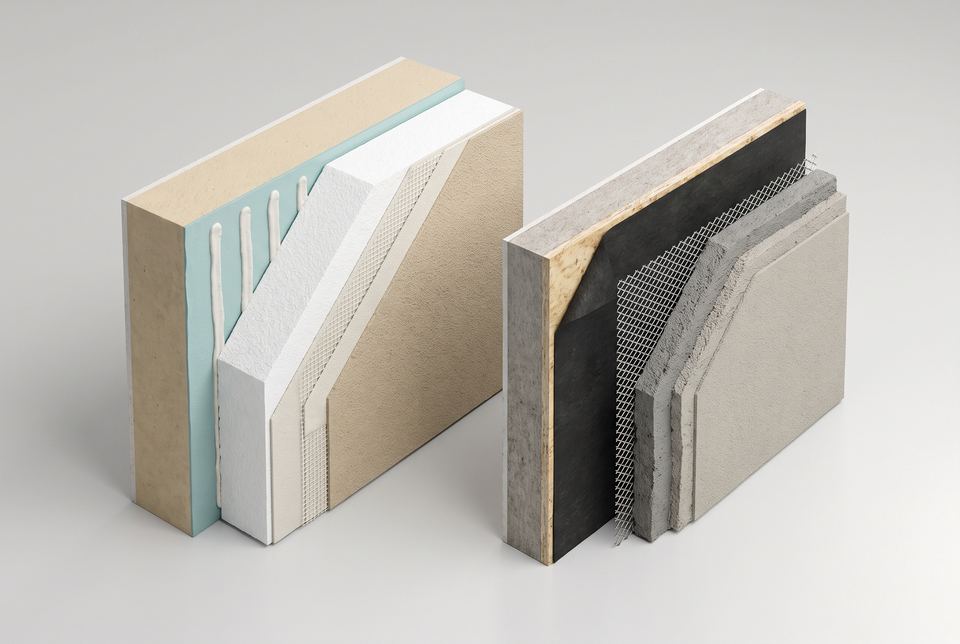
Before worrying that an entire exterior wall is failing, step up to the crack in good daylight with a dime and do two quick checks. First, see whether the edge of the dime—roughly one-sixteenth of an inch—slips into the gap, and notice whether one side of the crack sits proud of the other. Second, tap lightly with your knuckles a few inches to either side. Solid cement stucco sounds sharp and stone-like; stucco that has detached from masonry or lath gives a dull, hollow thud, while foam-backed EIFS cladding feels slightly springy across the whole elevation.
Keep in mind that we are an exterior repair contractor, not a licensed home inspector. If a building shows bowed foundation walls, racking door frames or major structural settlement, a structural engineer should evaluate the framing or footing first. When buyers or owners in Kingston, Saugerties, Woodstock or New Paltz want a dedicated walk-through before planning repairs, see our paid EIFS and exterior inspections.
Hairline craze lines that rarely let water through
Fine, random lines thinner than a business card—especially faint web-like patterns that show up most clearly right after rain wets the wall and vanish once sun dries it—are usually shrinkage craze cracks from when the stucco originally cured. As long as the mortar sounds tight when tapped and shows no dark streaks or mineral crust, chiseling those lines open does more cosmetic harm than good. On modern cement walls where craze lines bother the eye or face heavy Hudson Valley wind, a breathable finish coat or elastomeric coating bridges them uniformly.
Diagonal, horizontal and stair-step cracks that need attention
Cracks that follow building geometry tell you where stress or water is concentrated:
- Diagonal lines shooting off window and door corners form where wall framing shifts or where stucco was troweled tight against frames without casing beads and perimeter sealant joints. Wind-driven rain funnels straight into those corners.
- Long horizontal cracks between stories sit over wood rim joists that shrink seasonally when no horizontal expansion joint was installed. Once open, they act like tiny shelves catching rainwater.
- Stair-step cracks over block garages, additions or foundations trace mortar joints in the concrete masonry underneath, signaling frost heave, grade settlement or thermal movement that will re-crack a thin surface smear unless properly cut out or jointed.
Stains, blisters and soft spots around openings
Any crack paired with rust-brown streaks, chalky white efflorescence, peeling paint blisters or dark damp halos below a roofline or window sill matters regardless of width. Those stains mean water is already circulating behind the finish coat—often from missing kick-out flashing at a gutter end, failed window perimeter sealant or a cracked chimney wash; see how we open and rebuild those areas under cement stucco repair and chimney and foundation work. On historic brick and stone homes in Kingston's Stockade District, Rondout and Hurley, grey Portland patches cracking around their edges point to trapped vapor rather than structural movement; read more on older house lime stucco.